
The ledger
How grading actually works
TCGpal guides explain AI card grading as a pre-grade: four subgrades, how PSA, BGS, SGC, and CGC differ, how to photograph a card, and when a raw copy is worth the slab fee. Written from the product, not a generic hobby explainer.
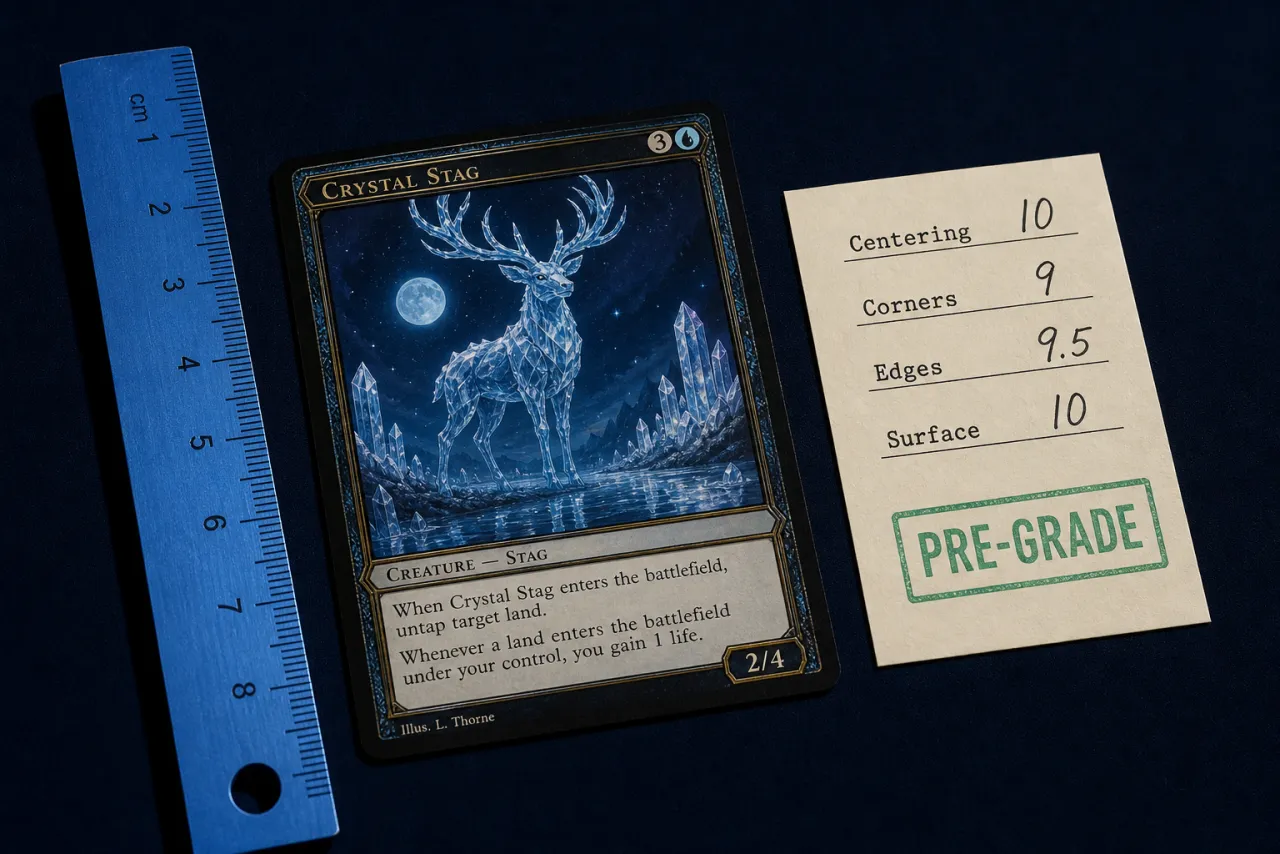 016 min
What is AI card grading?
AI card grading estimates a trading card’s condition from photos — centering, corners, edges, and surface — so you can decide what is worth submitting to PSA, BGS, SGC, or CGC.
Updated 2026-08-12
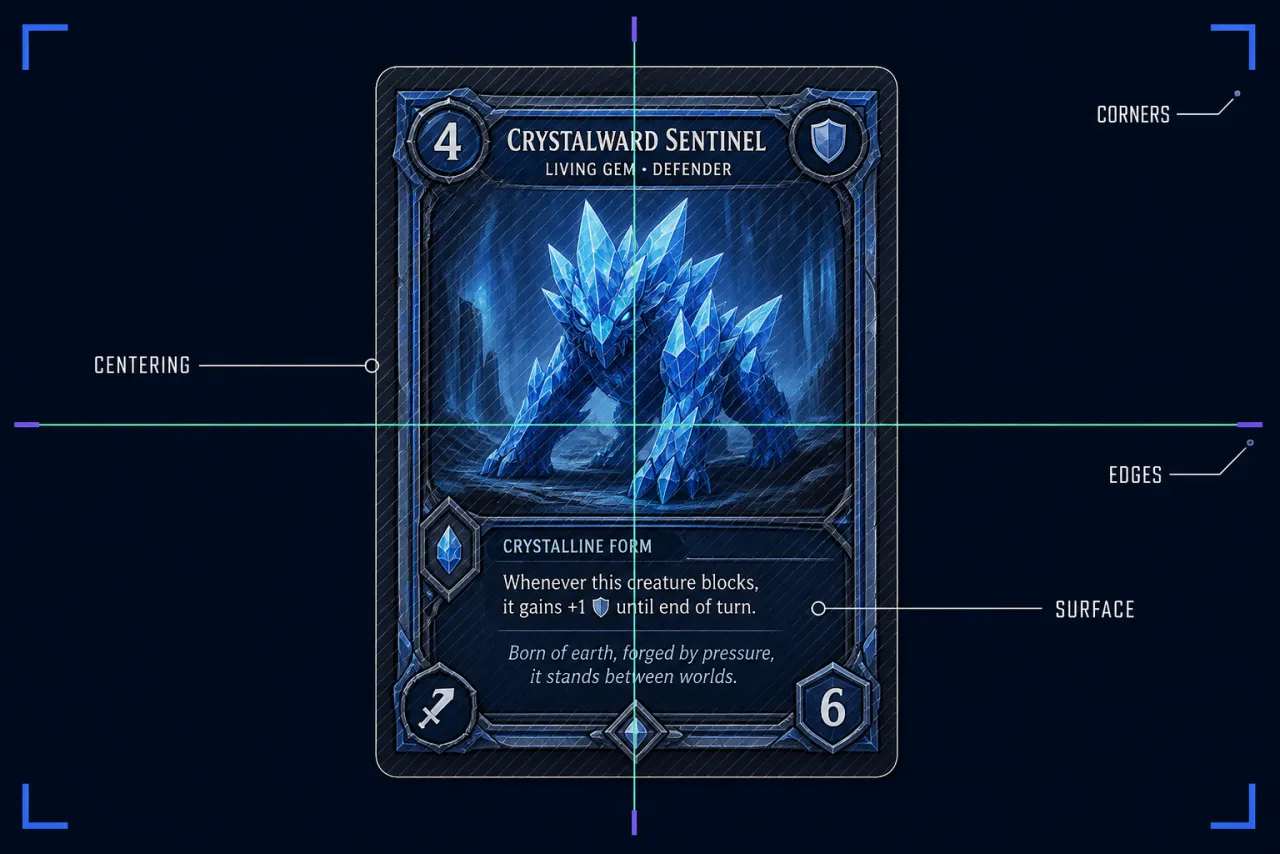 027 min
The 4 subgrades: centering, corners, edges, and surface
Professional graders score four areas on every card. Here is what centering, corners, edges, and surface actually mean — and which one usually limits the grade.
Updated 2026-08-12
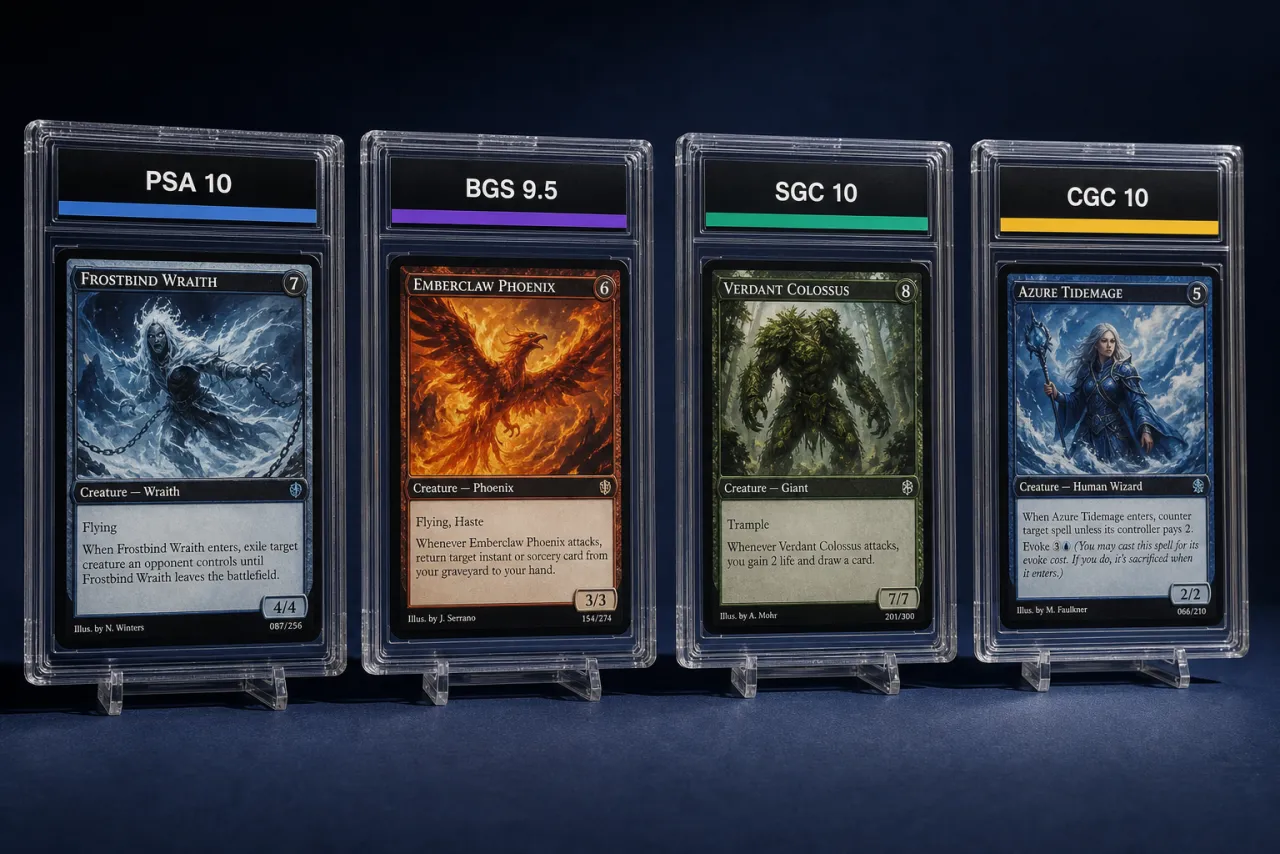 038 min
PSA vs BGS vs SGC vs CGC
How the four major TCG grading companies differ: scale, subgrades, market premium, and when each one is worth the submission.
Updated 2026-08-12
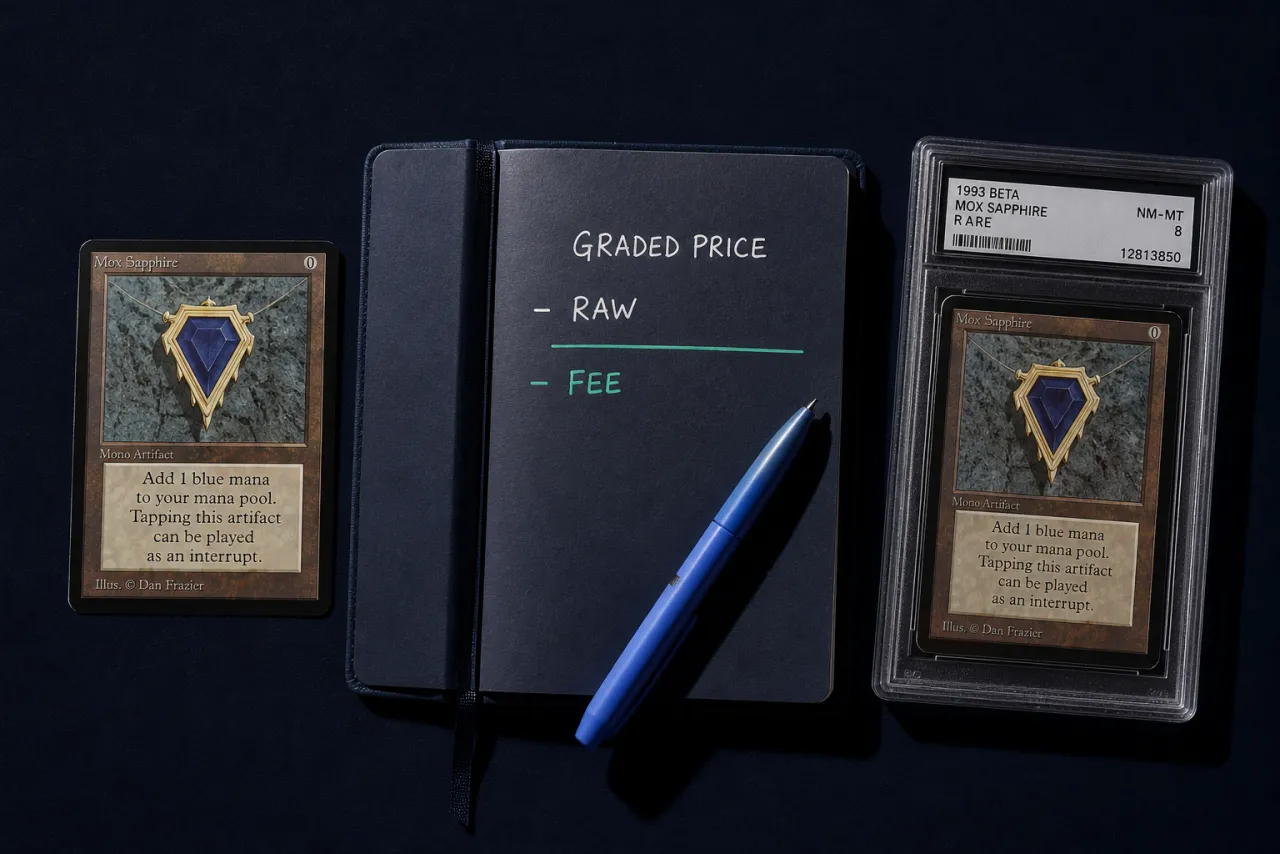 046 min
Is this card worth grading?
A practical rule for when a raw card should go in a slab: value, expected grade, population, and fees — not vibes.
Updated 2026-08-12
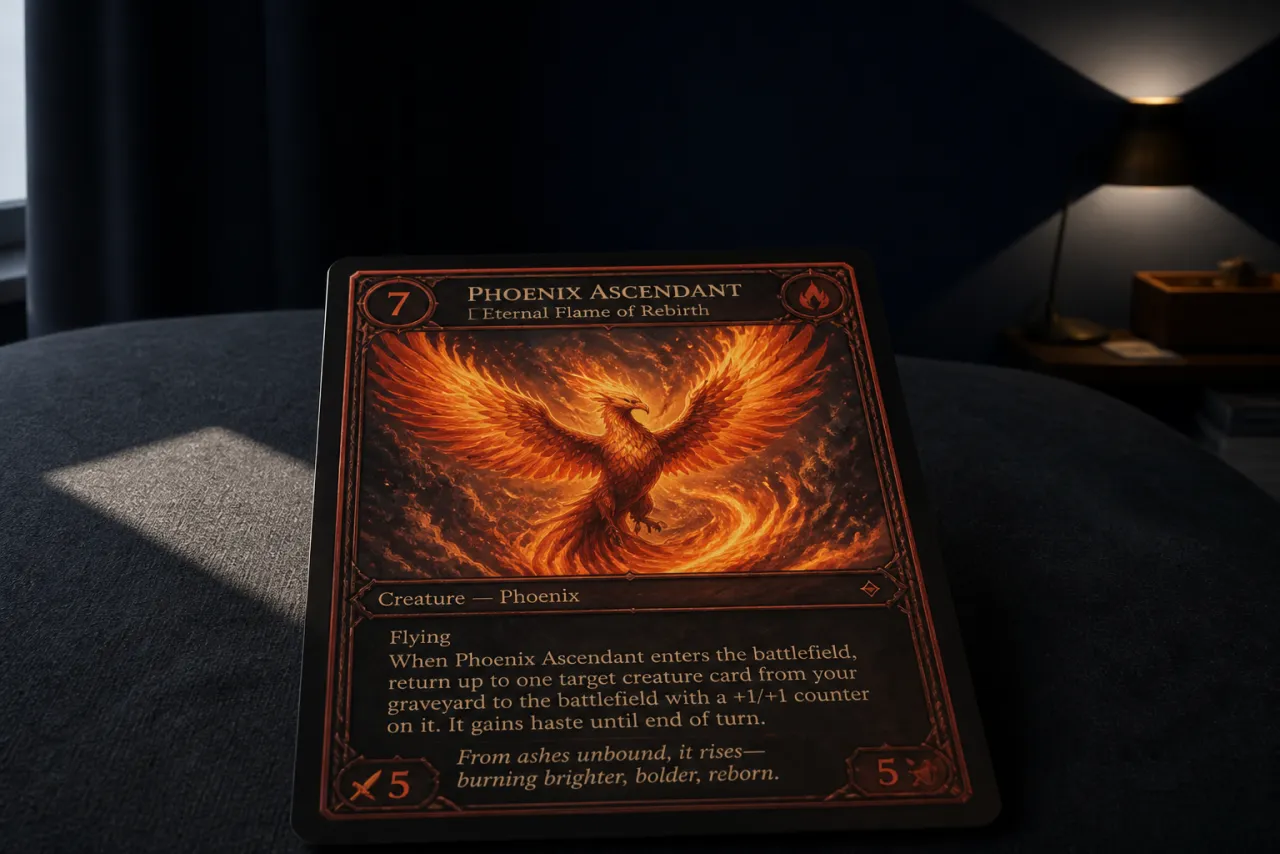 055 min
How to photograph a card for scanning and grading
Lighting, angle, framing, and background tips so TCGpal can identify the card and score centering, corners, edges, and surface without glare lying to the model.
Updated 2026-08-12
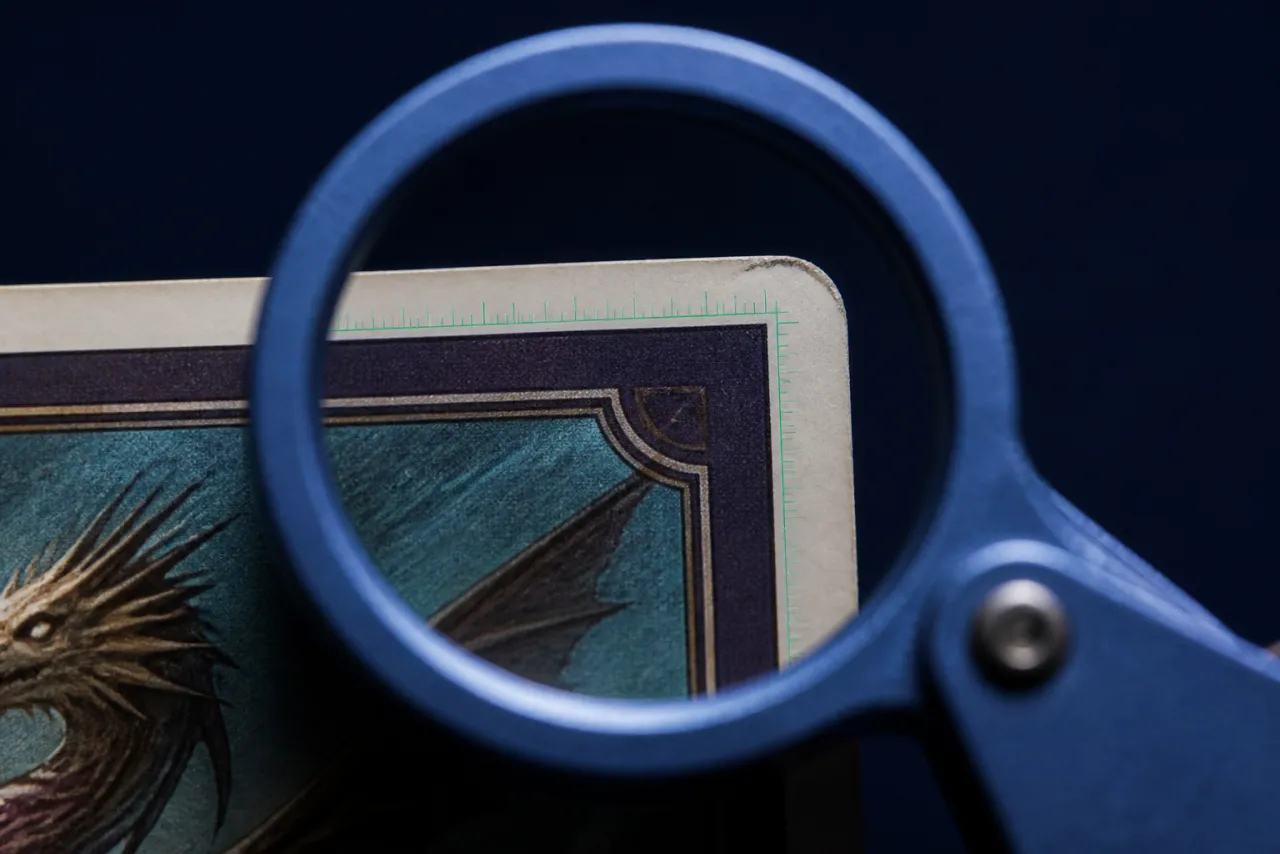 066 min
How accurate is AI grading?
What TCGpal’s condition model can reliably see, where it is stricter than humans, and why a pre-grade is still not a PSA certificate.
Updated 2026-08-12
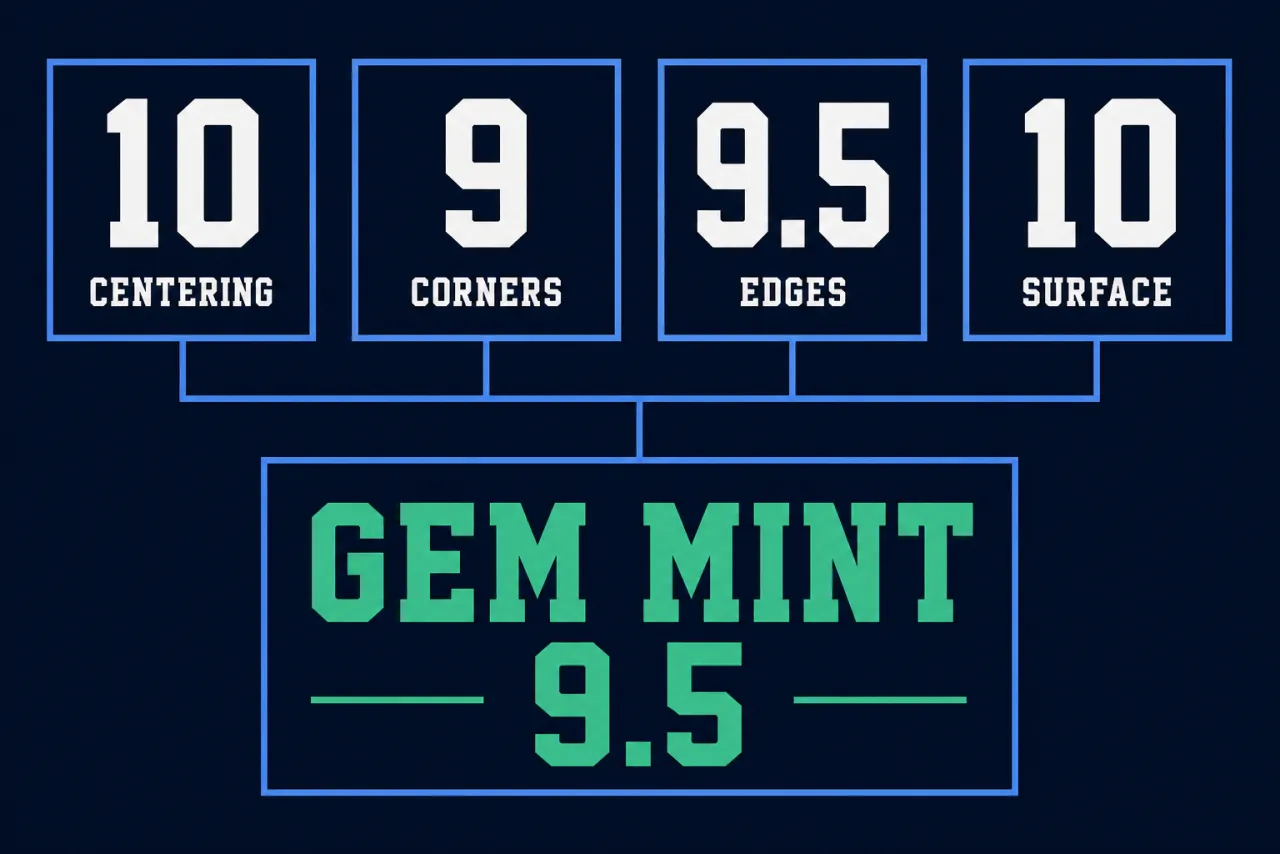 077 min
How TCGpal estimates a grade
The method behind TCGpal’s pre-grade: four sub-scores, an overall grade, and mapped PSA, BGS, SGC, and CGC estimates — plus what the model cannot feel.
Updated 2026-08-12
Grade your first card in the next 60 seconds
Just your email — no password, no credit card.


3 free grades per account · No credit card required